
New BEE Star Rating Rules 2026: A Complete Guide to Understanding the Revised Energy Labels
Never has it been more important to buy an energy efficient appliance but from 2026, a major change to India’s energy labelling system will be seen by consumers and manufacturers. An air conditioner or refrigerator, for instance, that would qualify for a higher star rating may now receive fewer stars. The reason is not that the product has become less efficient but that the Bureau of Energy Efficiency (BEE) has raised the performance benchmarks.
The new BEE Star Rating Rules 2026 are meant to incentivise manufacturers to enhance product efficiency and help consumers make an informed purchase decision. These revised standards will also impact manufacturing strategies, regulatory compliance, exports and product positioning in the market. Businesses that manufacture and import or export products must understand how these revised energy labels will impact their compliance with requirements such as bis certification in India, apply for bis registration and broader quality management practices including iso consultancy services.
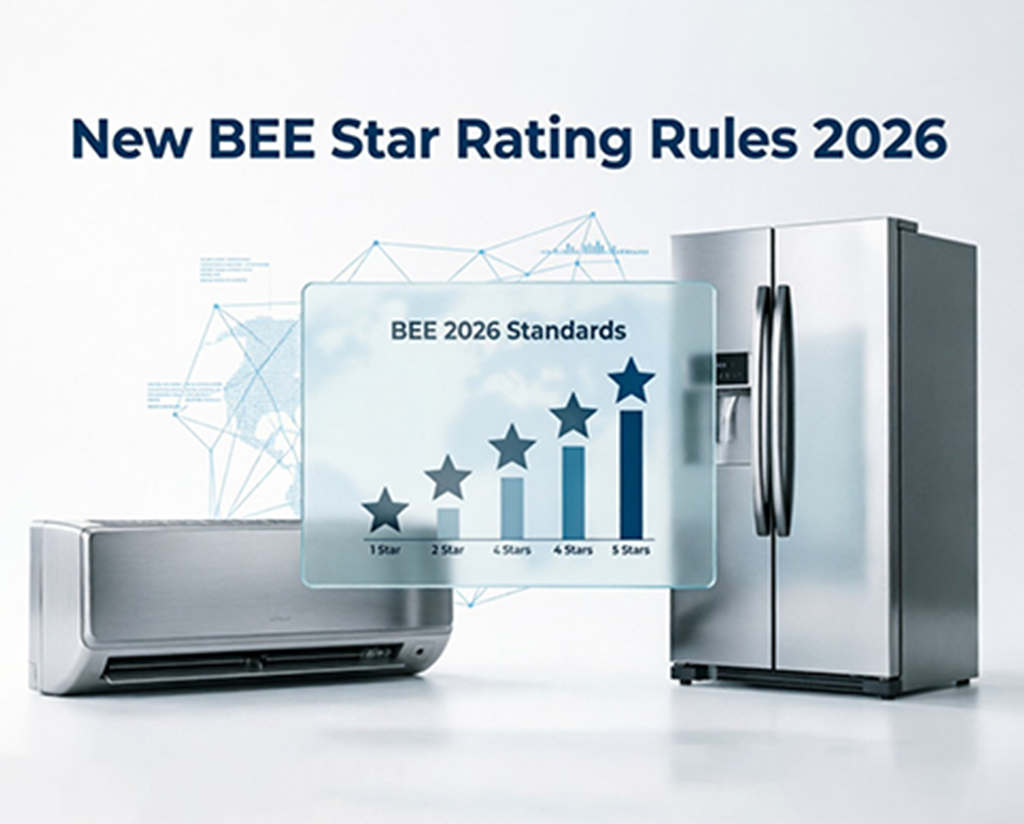
What Are the New BEE Star Rating Rules 2026?
The Star Labelling Programme from time to time to take into account technological developments and to encourage greater energy conservation is reviewed by the Bureau of Energy Efficiency. Under the new rules, from 2026 the efficiency thresholds for several appliance categories have become more demanding.
Instead of changing the way products consume electricity, the revision changes the way the energy performance is assessed. Products need to be more efficient now to get the same amount of stars.
That means:
- The new criteria may lead to lower star ratings for existing products.
- “Manufacturers need to make their products more efficient all the time.
- Consumers get access to products that offer increased energy savings over the long term.
- Innovation fuels competition in the marketplace.
Why the Revised Energy Labels Matter
Energy labels are important in purchase decisions. Consumers typically use the star ratings to estimate the expected electricity consumption and operating costs of the appliance before purchase.
The new labels aim to:
- Encourage the development of energy efficient products.
- Decrease national electricity consumption.
- Help India to achieve its sustainability goals.
- Promote technology innovation in every industry.
- Enhance the transparency of energy performance.
For manufacturers, these changes are more than a label update; they impact product design, compliance planning, marketing strategies and inventory management.
Relationship Between BEE Ratings and Product Compliance
While BEE Star Ratings focus on energy efficiency, a significant number of electrical and electronic products are also required to comply with other Indian regulatory requirements before being introduced to the market.
For manufacturers compliance means complying with multiple regulatory regimes such as:
- BIS certification in India for applicable products.
- Technical testing according to relevant Indian Standards.
- Product safety and quality assessments.
- Energy performance evaluation where applicable.
As regulatory requirements continue to evolve, businesses are increasingly recognising the need to integrate energy efficiency objectives into broader product compliance strategies.
Manufacturers and exporters turn to organisations such as Era Global Standards Certification for updates on the industry and regulatory insights. Era regularly publishes resources that address developments affecting the industry. To know more about their regulatory knowledge resources visit www.eraglobal.co.in/ .
Importance of Product Certification in Global Trade
Today’s supply chains require consistent product quality and regulatory adherence. In the domestic and international market, certification has become a significant sign of reliability and readiness for the market when selling products.
Many international buyers rate suppliers on:
- Product safety compliance
- Quality assurance systems
- Energy efficiency norms
- Environmental commitments
- Regulatory Submissions
By meeting these standards companies can remain competitive in many markets.
Besides energy regulations, companies often utilize ISO consultancy services to improve quality management systems and increase operational consistency in manufacturing processes.
Risks of Exporting Without Certification
Product compliance requirements continue to increase across markets worldwide. Commercial risks are significant for companies that export goods without the necessary certifications or regulatory approval.
Typical challenges include:
- Shipment delays
- Customs clearance issues
- Product rejection
- Increased compliance costs
- Loss of customer confidence
- Regulatory investigations
- Market access restrictions
Incomplete regulatory documentation can delay the market entry of products that meet technical performance expectations, and impact business continuity.
How the New Energy Labels Impact Brand Trust
Sustainability is more important to consumers today than ever before. Energy-saving products often influence purchasing decisions because they promise lower electricity bills and less impact on the environment.
Updated BEE labels promote greater transparency, helping to ensure that higher star ratings reflect better energy performance under current standards.
Businesses often describe successful adaptation to changing energy efficiency standards as:
- More innovative
- Environmentally responsible
- Quality focused
- Future ready
Compliance with changing regulations also helps build relationships with distributors, retailers, institutional buyers and government procurement programs.
Why Compliance Planning Is Becoming More Important
Rules and regulations change in all kinds of industries. Energy efficiency standards, product safety regulations and quality management expectations are increasingly interlinked.
Businesses that monitor regulatory changes are generally better able to:
- Minimise compliance-related disruptions.
- Effective plan launches.
- Instill confidence in the supply chain.
- International Growth Support
- Respond quickly to changing market needs.
Whether you’re applying for BIS registration, updated energy labelling or implementing quality management systems through ISO consultancy services, being proactive helps organisations stay competitive in the changing regulatory environment.
Looking Ahead
New BEE Star Rating Rules 2026 is another step towards energy efficiency in the appliance industry in India. Some products may have different star ratings in the new criteria, but the goal is the same – to push for higher efficiency, lower energy use and support sustainable development.
For manufacturers, exporters, importers and business owners, these changes emphasise the need to stay ahead of changing compliance expectations. Regulatory developments, product quality and certification requirements will continue to play an essential role in long-term business success and understanding them will continue to be important.
Author Bio
ERA Global Standards Certification offers insights and updates from the industry on product compliance, certification requirements and changes in regulatory frameworks that impact manufacturers, importers and exporters globally. To know more visit www.eraglobal.co.in/contact .