
Cylinder, Valves and Regulator
Refillable Seamless Steel Gas Cylinders — Part 2: Quenched and Tempered Steel Cylinders with Tensile Strength Less than 1100 MPa (112 kgf/mm²)
Strategic Recommendations for Refillable Seamless Steel Gas Cylinders – Quenched & Tempered Steel Cylinders with tensile strength <1100 MPa (112 kgf/mm²)
- Begin BIS Certification Immediately
Although not under BIS QCO, initiate PESO design/type approval for IS 7285 (Part 2) cylinders. Submit drawings, QC documents, and tensile-strength conformity evidence. - Consult Compliance Professionals (ERA)
Engage ERA to prepare PESO dossiers, align quenched & tempered steel manufacturing processes, and design hydrostatic testing schedules. - Reach Out for Support
📧 cs@eraglobal.co.in | 📞 +91 95992 96331 | 💬 WhatsApp
For PESO applications, hot-repair/testing tie-ups, and documentation assistance. - Track QCO Amendments & Exemptions
Subscribe to ERA Newsletter for Monitor PESO circulars and amendments to GCR 2016 (including 2022 updates). Apply Rule 44 exemptions only in limited possession scenarios. - Ensure Marking & Documentation
Implement neck-stamping of working pressure, water capacity, test date, and manufacturer code. Maintain history cards, periodic test reports, and QC traceability for inspections.
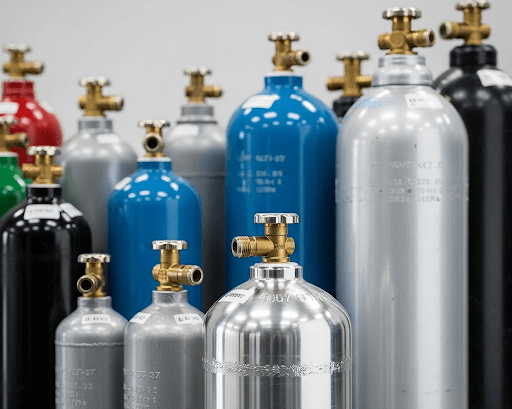
| Section | Details |
|---|---|
| Product Name | Refillable Seamless Steel Gas Cylinders – Quenched & Tempered Steel Cylinders with tensile strength <1100 MPa (112 kgf/mm²) |
| Applicable Indian Standard (IS) No. | IS 7285 (Part 2) |
| Title of Indian Standard | Refillable Seamless Steel Gas Cylinders — Part 2: Quenched and Tempered Steel Cylinders with Tensile Strength Less than 1100 MPa (112 kgf/mm²) |
| Quality Control Order | Not under a BIS QCO. Regulated under Gas Cylinders Rules, 2016 (GSR 1081(E)), framed under the Explosives Act, 1884. |
| Notification & Amendments | Notified via GSR 1081(E) dated 22 Nov 2016 (superseding 2004 Rules); draft published as GSR 779(E) dated 13 Oct 2015; further modified by Gas Cylinders (Amendment) Rules, 2022. |
| Final Enforcement Date | 22 November 2016 (date GCR 2016 came into force). |
| Objective & Scope | To regulate design, manufacture, testing, periodic inspection, marking, and licensing of refillable seamless steel cylinders made from quenched & tempered steels below 1100 MPa tensile strength. |
| Products Covered | Refillable seamless quenched & tempered steel gas cylinders with tensile strength <1100 MPa, used for industrial gases, medical gases, CNG storage, and other high-pressure compressed gases. |
| Exemptions | No product-specific exemption; only limited possession exemptions under Rule 44 of GCR 2016. |
| Industries Impacted | Cylinder manufacturers, industrial and medical gas suppliers, CNG distributors, hot-repair/testing stations, logistics/transport operators, and PESO licensing authorities. |
| Mandatory Compliance | Must conform to IS 7285 (Part 2). Design/type approval from PESO; mandatory hydrostatic/hydrostatic-stretch tests; stamping/marking (manufacturer ID, test date, WP, WC); valves per Rule 4; periodic testing per Rule 35 & Schedule IV. |
| Next Steps for Stakeholders | Apply to PESO for design/type approval; prepare drawings/QC plans; set up or tie-up with PESO-approved testing stations; implement stamping, marking, colour coding, and maintain history cards. |
| Legal Framework Provision & Enforcement | Enforced under Explosives Act, 1884 and Gas Cylinders Rules, 2016, administered by PESO (Chief Controller/Controllers). |
| Penalties for Non-Compliance | Seizure of cylinders, suspension/cancellation of licences, monetary fines, and prosecution (including imprisonment under the Act). |
| Conclusion | IS 7285 (Part 2) seamless quenched & tempered cylinders are legally regulated under GCR 2016. PESO approval, IS conformity, testing, and lifecycle management are mandatory for lawful manufacture, filling, and distribution. |
| References / Annexures | GSR 1081(E), 22 Nov 2016; GSR 779(E), 13 Oct 2015; Gas Cylinders (Amendment) Rules, 2022; Rules 3, 4, 6, 35, 36, 44, 49; Schedules I & IV. |
Ready to start your certification journey?
Let us help you navigate regulatory challenges and achieve certification with ease. Leave us your details, and we’ll get back to you—or request a free consultation today.
Get in touch with us today
Notification
IS 7285 (Part 2) cylinders are regulated under the Gas Cylinders Rules, 2016, notified through GSR 1081(E) on 22 November 2016, replacing the 2004 Rules. The draft rules were first issued as GSR 779(E) dated 13 October 2015, and the framework was later updated through the Gas Cylinders (Amendment) Rules, 2022.
Enforcement Timeline
The Gas Cylinders Rules, 2016 became effective on 22 November 2016, and compliance obligations (design approval, manufacture, testing, and licensing) apply from that date.
Overview
IS 7285 (Part 2) specifies requirements for refillable seamless quenched & tempered steel cylinders with tensile strength less than 1100 MPa (112 kgf/mm²). These cylinders are widely used in the storage and transport of industrial gases, medical oxygen, specialty gases, and CNG.
Objective & Scope
The standard ensures that cylinders are designed, manufactured, and tested to achieve mechanical safety, durability, and leak-tightness. GCR 2016 requires compliance with IS 7285 (Part 2), approved valve standards, proper stamping, and mandatory periodic testing to ensure safe usage across their service life.
Products Covered
The specification applies to refillable seamless quenched & tempered steel cylinders below 1100 MPa tensile strength, covering a wide range of compressed and liquefiable gases in industrial, automotive (CNG), and healthcare applications.
Exemptions Provided
There are no product-specific exemptions. Only general possession exemptions (such as limited gas quantities under Rule 44) apply.
Industries Impacted
Industries impacted include cylinder manufacturers, industrial/medical gas producers, automotive CNG operators, cylinder testing/hot-repair stations, logistics firms, and PESO licensing authorities.
Mandatory Compliance Requirements
All cylinders must conform to IS 7285 (Part 2), undergo PESO-approved design/type approval, and be manufactured under strict QC plans. Each cylinder must bear mandatory markings (manufacturer ID, WP, WC, test date, inspector’s mark). Periodic hydrostatic testing is required under Rule 35 and Schedule IV, and all fittings must comply with Rule 4.
Next Steps for Stakeholders
Manufacturers and importers should:
- Apply to PESO for design/type approval and licensing.
- Prepare detailed drawings and QC/testing plans per IS 7285 (Part 2).(Scheme-I )
- Establish or contract PESO-approved hydrostatic testing facilities.
- Implement traceability via stamping, colour coding, and history cards.
Legal Provisions, Enforcement & Penalties
The Gas Cylinders Rules, 2016 are enforced under the Explosives Act, 1884, with PESO as the licensing and enforcement authority. Penalties for violations include seizure of non-conforming valves, cancellation of licences, monetary fines, and imprisonment.
Conclusion
Cylinders under IS 7285 (Part 2) are fully regulated under the Gas Cylinders Rules, 2016. Strict PESO approval, IS conformity, mandatory testing, and lifecycle management are essential to remain compliant and ensure safety in high-pressure gas applications.
References / Annexures
GSR 1081(E) – Gas Cylinders Rules, 2016; GSR 779(E) – Draft Rules; Gas Cylinders (Amendment) Rules, 2022; IS 7285 (Part 2); Rules 3, 4, 6, 35, 36, 44, 49; Schedule I & IV.
Ready to start your certification journey?
Let us help you navigate regulatory challenges and achieve certification with ease. Leave us your details, and we’ll get back to you—or request a free consultation today.