
Information Technology Equipment-Safety-General Requirements
Mobile Phones
Strategic Recommendations for Mobile Phones – IS 16333 (Part 3)
Apply for BIS CRS Registration
All mobile handsets must be BIS-certified under IS 16333 (Part 3) before import, manufacture, or sale in India. Ensure CRS registration is obtained from BIS-approved laboratories.Collaborate with Compliance Experts
Engage ERA Global specialists for BIS CRS filing, Indian language feature validation, Unicode compatibility checks, and documentation for export or R&D exemptions.Contact ERA Support Team
📧 cs@eraglobal.co.in | 📞 +91 9599296331 | 💬 WhatsApp – For CRS application, test lab coordination, and compliance assistance.Track Notifications & Amendments
Stay updated via ERA Regulatory Newsletter on BIS CRS amendments, standard revisions to IS 16333, and MeitY circulars on telecom product compliance.Conduct Gap Assessment
Audit handset firmware, OS language packs, and user interfaces for compliance with IS 16333 (Part 3), ensuring readiness for BIS testing, certification, and market release.
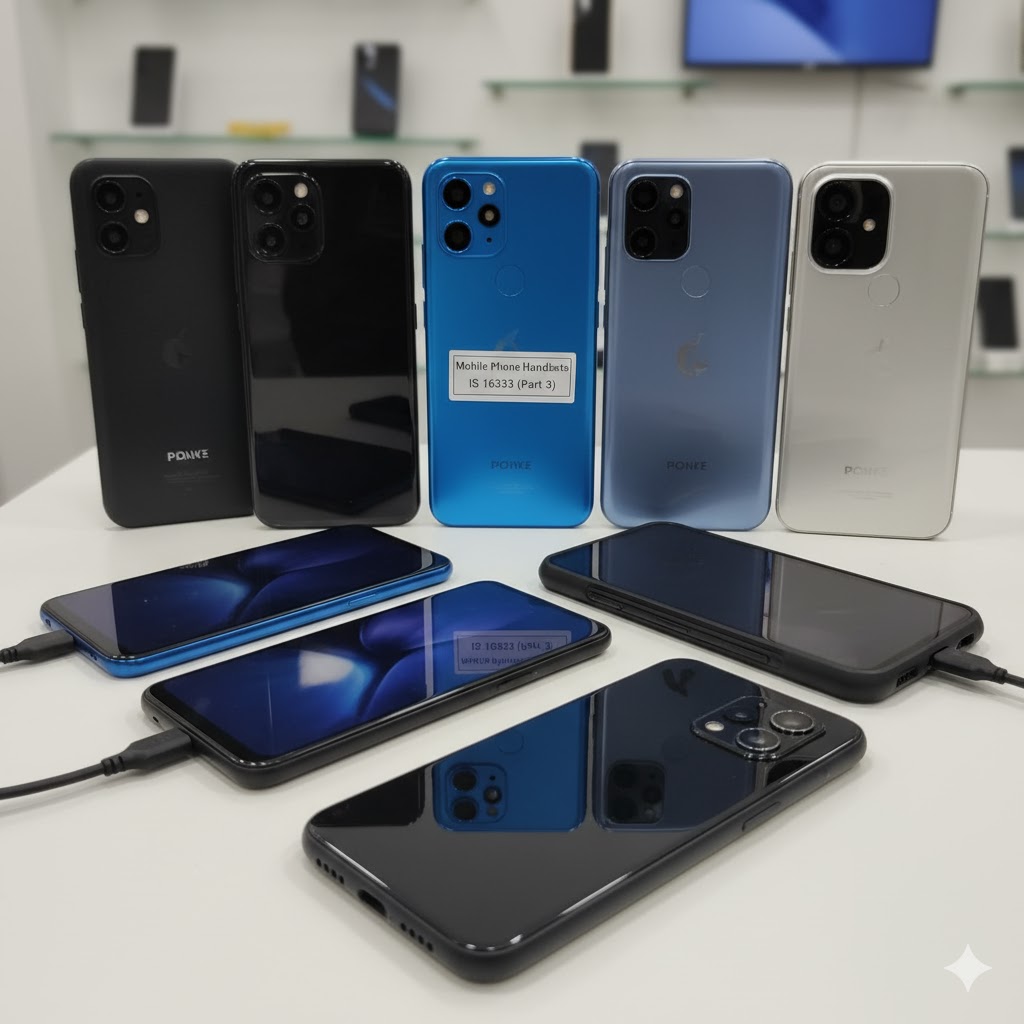
| Section | Details |
|---|---|
| Product Name | Mobile Phone Handsets |
| Applicable Indian Standard (IS) No. | IS 16333 (Part 3) |
| Title of Indian Standard | Indian Language Support for Mobile Phone Handsets – Specific Requirements |
| Regulation /QCO | Electronics and Information Technology Goods (Requirements for Compulsory Registration) Order, 2012 under the BIS Act, 1986 |
| Notification & Amendments | Gazette Notification dated 24th October 2016 – “Mandating Indian Language Support for Mobile Phones as per IS 16333 (Part 3)” |
| Final Enforcement Date | 1st July 2017 |
| Objective & Scope | To ensure that all mobile phones sold in India provide support for input, display, and reading in Indian languages for effective communication and user inclusivity across linguistic demographics. |
| Products Covered | All mobile phone handsets, feature phones, and smartphones intended for sale, import, or distribution in India. |
| Exemptions |
- Devices manufactured solely for export.
- Imported units for testing, R&D, or demonstration (non-commercial use). |
| Industries Impacted |
- Mobile handset manufacturers and importers. - Software developers and UI/UX integrators. - Telecom operators and distributors. |
| Mandatory Compliance |
- All mobile phones must conform to IS 16333 (Part 3). - BIS CRS registration is mandatory before import, manufacture, or sale. - Each phone must support Indian language input and display per standard requirements. |
| Testing Parameters |
- Text input support in Indian languages. - Message display and reading capabilities. - Font rendering, character encoding, and legibility tests. - Compliance with Devanagari and other regional language scripts. |
| Certification & Enforcement Authority | Bureau of Indian Standards (BIS) – Certification Authority; enforcement through MeitY and state authorities. |
| Penalties for Non-Compliance | Non-compliance attracts penalties under the BIS Act, including registration cancellation, product seizure, fines, and prosecution for sale of non-conforming phones. |
| Conclusion | From 1st July 2017, all mobile handsets sold, imported, or manufactured in India must comply with IS 16333 (Part 3) under BIS CRS, ensuring Indian language compatibility and linguistic inclusivity. |
Ready to start your certification journey?
Let us help you navigate regulatory challenges and achieve certification with ease. Leave us your details, and we’ll get back to you—or request a free consultation today.
Get in touch with us today
Notification
The Ministry of Electronics and Information Technology (MeitY) issued a Gazette Notification on 24th October 2016 mandating Indian language support for mobile phones under the Electronics and Information Technology Goods (Requirements for Compulsory Registration) Order, 2012. Compliance with IS 16333 (Part 3) became effective from 1st July 2017.
Overview
India’s multilingual population necessitated a regulatory framework to ensure that all mobile phones support Indian language input and display. IS 16333 (Part 3) standardizes this requirement, ensuring accessibility and digital inclusion for users across linguistic regions, promoting local language communication, and supporting the Digital India initiative.
Objective & Scope
The key objective of IS 16333 (Part 3) is to mandate uniform support for Indian languages across all mobile handsets. It specifies technical requirements for displaying, entering, and reading messages in Indian scripts, ensuring usability, accurate rendering, and compliance with Unicode standards.
Products Covered
- All mobile phone handsets, feature phones, and smartphones sold in India.
- Devices supporting SMS, web, and application interfaces where textual input or display is involved.
- Phones used for consumer or business communication.
Exemptions Provided
- Phones manufactured solely for export markets.
- Units imported for R&D, testing, or demonstration purposes, provided they are not sold commercially in India.
Industries Impacted
- Mobile handset manufacturers and importers.
- Software/UI developers responsible for OS-level language integration.
- Telecom distributors and retailers.
- OEM and ODM partners of global brands targeting the Indian market.
Mandatory Compliance Requirements
All mobile handsets marketed or sold in India must:
- Be tested and certified under the Compulsory Registration Scheme (CRS) of BIS.
- Support Indian language input, display, and reading in compliance with IS 16333 (Part 3).
- Bear the BIS Standard Mark and registration number before sale or import.
Enforcement Timeline
- Notification Date: 24th October 2016
- Effective Enforcement: 1st July 2017
Legal Provisions, Enforcement & Penalties
- Governed under the Bureau of Indian Standards Act, 1986 (and later under the 2016 Act).
- Enforcement by BIS and MeitY in coordination with customs and market surveillance bodies.
- Penalties include fines, seizure, and legal prosecution for sale or distribution of non-conforming devices.
Conclusion
Since July 2017, every mobile handset imported, manufactured, or sold in India must comply with IS 16333 (Part 3) to ensure language accessibility and compliance under the BIS CRS regime. This regulation strengthens India’s commitment to digital inclusivity, consumer empowerment, and regional language promotion.
Ready to start your certification journey?
Let us help you navigate regulatory challenges and achieve certification with ease. Leave us your details, and we’ll get back to you—or request a free consultation today.